When people think about exercise, they usually focus on physical benefits like stronger muscles, better balance, or improved heart health. But one of the most powerful effects of regular physical activity may be happening where you can't see it, in your brain. Research increasingly shows that exercise can play a key role in maintaining cognitive function as we age, helping to support memory, attention, learning, and overall brain health.
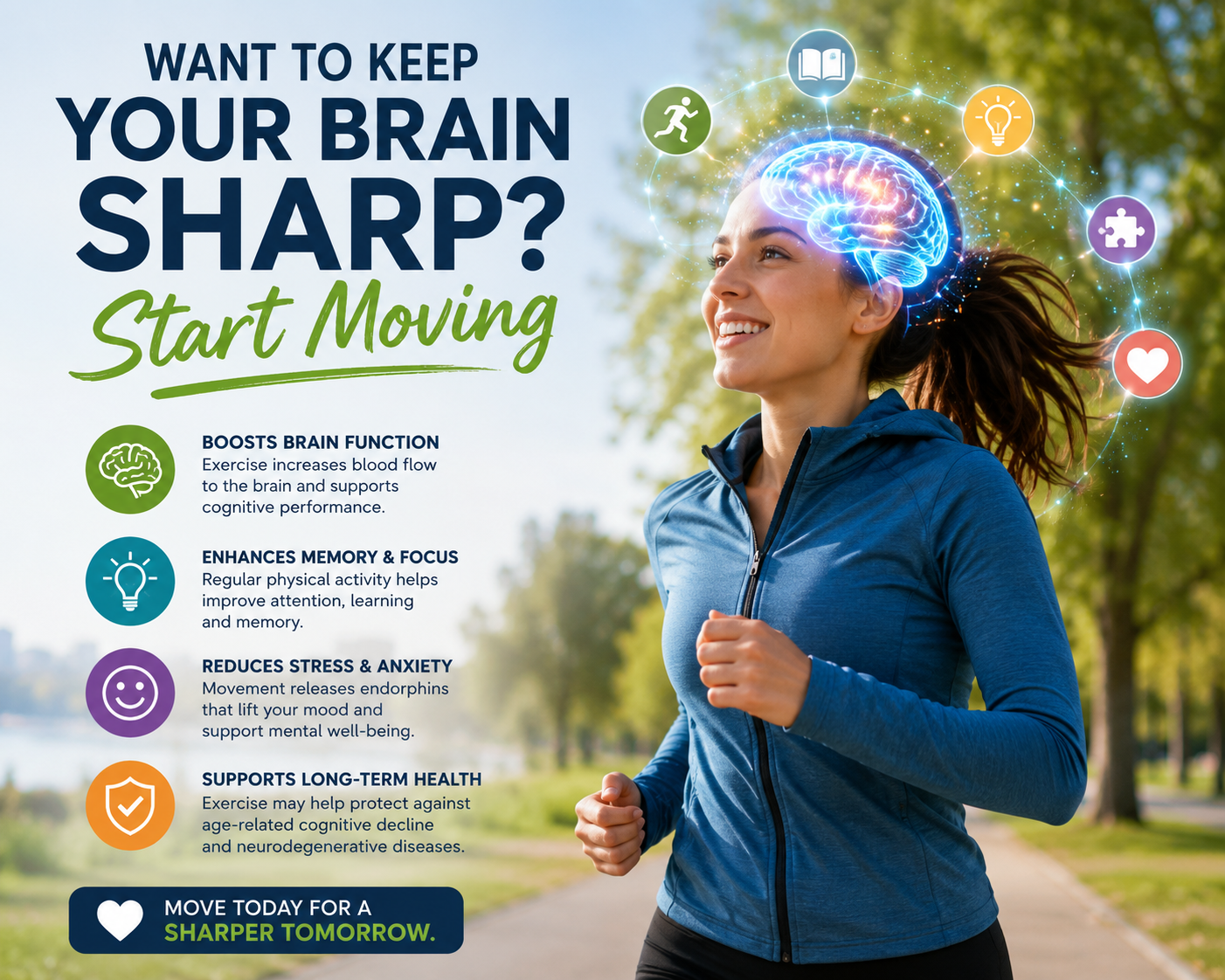
Scientists have found that regular exercise may actually help preserve areas of the brain associated with memory. Physical activity stimulates the release of brain-derived neurotrophic factor (BDNF), a protein that helps support the growth and communication of brain cells. Studies have shown that older adults who exercise consistently often experience improvements in working memory and cognitive performance compared to those who are less active.
The benefits don't stop there. Research suggests that people who remain physically active throughout midlife and beyond may have a lower risk of developing dementia and Alzheimer's disease. Exercise appears to reduce inflammation in the brain, improve blood flow, and support the health of neural networks that are essential for thinking and memory. While exercise isn't a cure for cognitive decline, it may be one of the most effective lifestyle tools available for protecting long-term brain health.
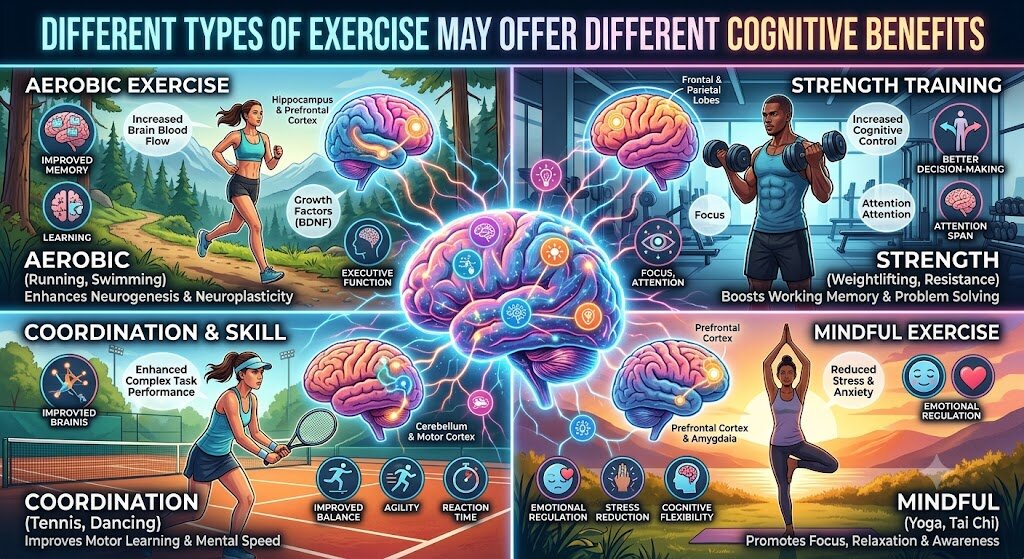
Interestingly, different types of exercise may offer different cognitive benefits. Activities that require quick reactions and decision-making, such as tennis or dancing, can challenge attention and cognitive flexibility, while activities like swimming, walking, or Tai Chi have been linked to improvements in focus, memory, and spatial awareness. The good news is that there isn't a single "perfect" exercise, the best activity is often the one you enjoy enough to do regularly.
The takeaway is simple: exercise is not just an investment in your body, but also in your mind. Whether it's a brisk walk, a swim, a fitness class, or a game of pickleball, staying active can help support cognitive function, independence, and quality of life as you age. Sometimes, one of the best ways to strengthen your brain is simply to get moving.